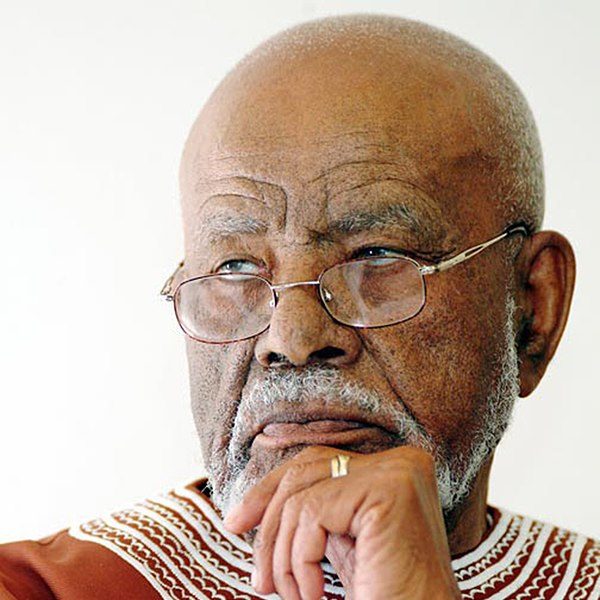
South African novelist, short-story writer and a critic was born in Pretoria. After a late start at school he qualified as a teacher and in 1945 joined the staff of Orlando High School. Dismissed from teaching for his opposition to ‘Bantu education’ in 1952, he joined the magazine Drum as political reporter and fiction editor. He gained a master’s degree at the University of South Africa in 1956 and the following year began a period of exile that did not end until his return to South Africa in 1977.
During his exile he taught at universities in Africa and the USA, gained a Ph.D. at the University of Denver, and served as a director of the Congress for Cultural Freedom in Paris. He retired in 1987 as professor of African literature at the University of Witwatersrand. Mphahlele’s reputation as a writer will probably rest on his autobiography, Down Second Avenue (1959). The prevalence of the autobiography in Africa has been attributed to a search for identity within the new…
He was honoured with the South African Literary Lifetime Achievement Award in 2005.
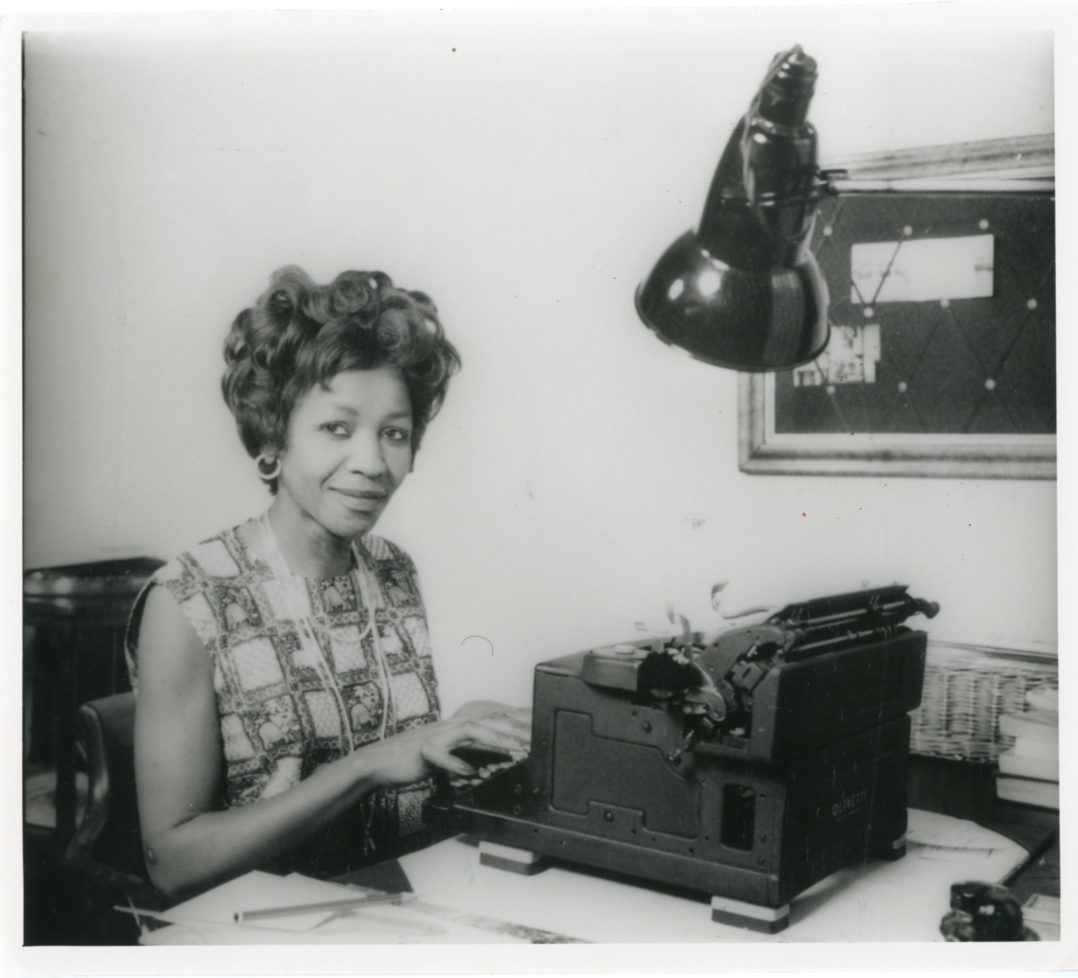
South African autobiographer was born in South Africa’s Eastern Cape to a distinguished Xhosa family of journalists and educators whose histories she charts in Drawn in Colour (1960) and The Ochre People (1963). As a teenager, she left South Africa to study in London, where she remained, working as a writer and in television. Both in its overt concerns-its nostalgic evocation of her rural childhood and exposure of the dehumanization of apartheid – and more obliquely, Jabavu’s work reflects her disrupted life history, her sense of belonging to ‘two worlds with two loyalties’.
Jabavu’s 1955 visit to South Africa provides the focal point for her writing. The Ochre People highlights three different regional cultures, from her family home, Middledrift, and her uncle’s farm at Tsolo, to the urban ‘locations’ of Johannesburg. Like Drawn in Colour, it combines autobiography with travel writing and broader family, social and cultural history. In her account of various family.
She was honoured with the South African Literary Lifetime Achievement Award in 2005.
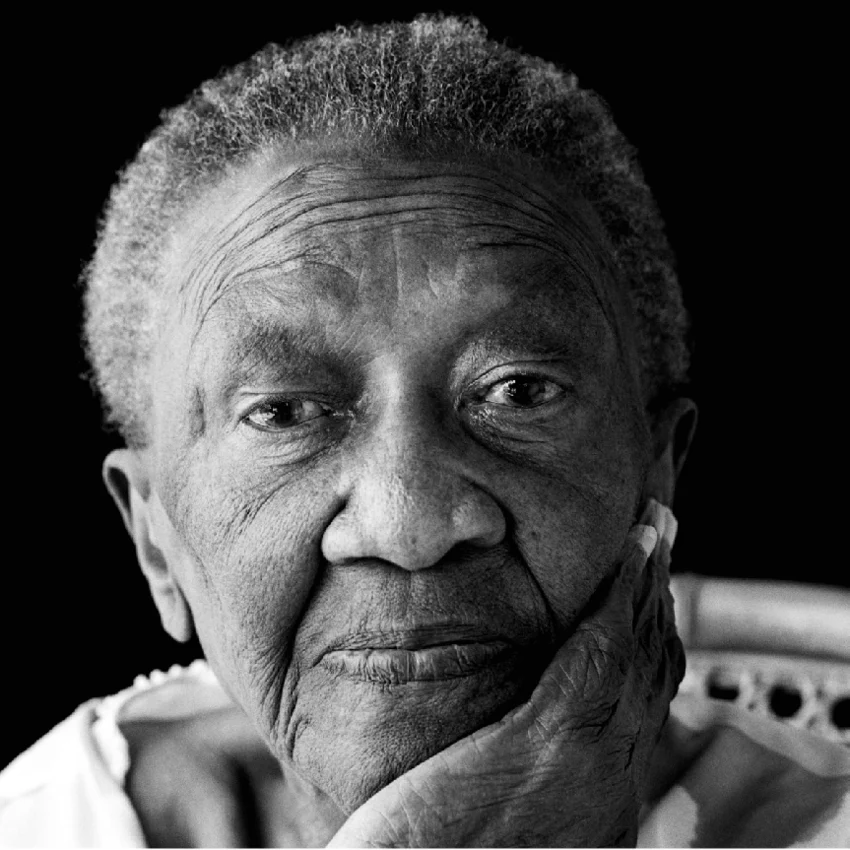
She was born on the 29th of June 1914 in Lesotho. She grew up on her grandfather’s farm in Thaba Nchu and inherited the farm in 1930 but lost it soon afterwards when it was declared as a “white area”. Although her parents were divorced when she was very young, Ellen grew up surrounded by cousins and aunts. She began school at the age of seven and proceeded to St. Paul Higher Primary and to St. Francis’ College, where she was a boarder. Ellen’s mother died when Ellen was 16years old, after that she threw herself into studies. After attending Adams College for four years, she spent an additional year at Lovedale College in Fort Hare, graduating in 1936 at 22 years of age.On graduating from Lovedale, Ellen had reached the highest degree that could be attained at any teacher training college for a black person at that time and so she began a career in teaching. In her late twenties Ellen married Ernest Moloto but the marriage was not a happy one. She gave birth to two boys, but Ellen fled to Johannesburg because of abuse from her husband, leaving her young sons behind. After her divorce, Ellen threw herself into many activities on top of her teaching duties and even did volunteer work with local youth groups.
Ellen returned to school at the age of 39 and completed the training program at Jan Hofmeyer School of Social Work. Armed with a degree in social work, and a higher diploma in social work from the University of Witwatersrand, she began working with the Johannesburg City Council. After this she worked with the South African Association of Youth Clubs and for the YWCA-Dube Centre.
Her career peaked when she accepted a position as General Secretary of the YWCA-Transvaal Region in 1994. While holding this very challenging post, Ellen obtained her connections with community, encouraging women to work together in self-help groups. After the Soweto uprising the of June 1976 and the arrest and killing of large numbers of young people, Soweto residents chose ten persons to study the role of members of the local councils who were co-operating with the apartheid regime. Ellen and nine men were selected to the Committee of ten but all ten members of the Committee were collected by the police and detained without a trial. Ellen was held in the Johannesburg Fort for 5 months.
Ellen’s activities included being president of the Black Consumers’ Union and serving on the executive committee of the Urban Foundation. She has published the Call me Woman (1985) and Sit and Listen: Stories from South Africa (1996). In 1979 the Star named Ellen Woman of the Year. The Universities of Natal, Port Elizabeth and Witwatersrand awarded her honorary doctorates in recognition of her remarkable work.
In 1994, she became member of the first democratically-elected parliament.
She was honoured with the South African Literary Lifetime Achievement Award in 2005.
She passed away in 2006
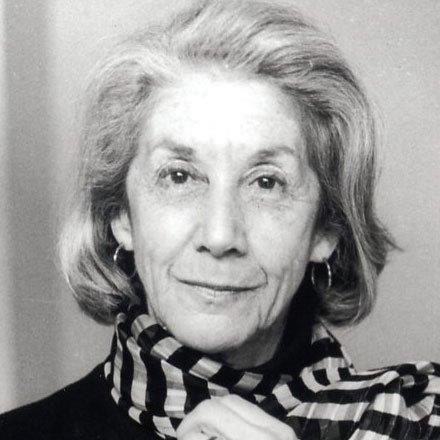
Nadine Gordimer was born in South Africa in 1923 to Jewish immigrants. Her literary immersion came at an early age when, after an illness forced her to withdraw from school, she was tutored at home. Arising from her isolated education were a love of books and an awareness of the increasing strangeness and tensions brewing within South African society. In 1948 apartheid was formalised; in 1949 Gordimer published her first short stories volume. She is also a South African Nobel Prize winning author and anti-apartheid activist.The fact that her work spans the apartheid period from its inception to its demise allows the reader a particular insight into the country’s socio-political development. While the breadth of Gordimer’s writing has prompted Western audiences to view her as ‘the chronicler and interpreter’ of the South African writers of her time were bound by the privileges of their class and race. Likewise, she shies away from her image as a human rights leader, stating that her words are her action and should not.She was honoured with the South African Literary Lifetime Achievement Award in 2005.
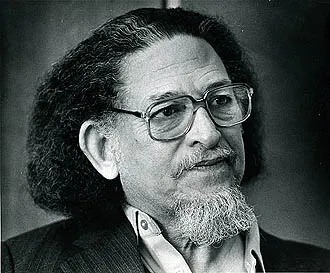
Poet, activist and educator, Dennis Brutus was born of South African coloured parents in Rhodesia and grew up in Dowerville, Port Elizabeth. He graduated from Fort Hare in 1947 and went on to work as a teacher and writer in Port Elizabeth for 14 years. He began his law studies at the University of the Witwatersrand were he also became active in the National Union of South African Students. He was convicted of violating his ban and sentenced to 18 months on Robben Island. In 1965, after his release he was placed under house arrest. In 1966 he left South Africa for London on an exit permit and a key figure in efforts to exclude South Africa from international sport. A poet and an eloquent speaker, he has written many articles and several books of poetry. In 1971 he became professor of English at North-Western University in the United States.
During his exile he taught at universities in Africa and the USA, gained a Ph.D. at the University of Denver, and served as a director of the Congress for Cultural Freedom in Paris. He retired in 1987 as professor of African literature at the University of Witwatersrand. Mphahlele’s reputation as a writer will probably rest on his autobiography, Down Second Avenue (1959). The prevalence of the autobiography in Africa has been attributed to a search for identity within the new…
He was honoured with the South African Literary Lifetime Achievement Award in 2005.
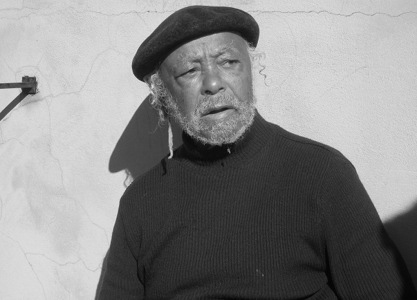
Poet, Publisher and Cultural Activist, James Matthews was born in District Six, Cape Town to working class parents. After completing standard seven, Matthews began to work; and held a variety of jobs, including newspaper boy, office messenger, clerk, and telephonist.His first writings were published in 1946 at the age of 17. Soon he found himself working as a journalist. Over the years, Matthews contributed to many national newspapers such as the Golden City Post, The Cape Times, and Drum, and later to the independent community newspaper, Muslim News. A leading articulator of the Black Consciousness philosophy, most of Matthews’ publications were banned by the Apartheid regime including his debut collection Cry Rage that he co-authored with Gladys Thomas in 1972.
Over the years, Matthews read and lectured at several German Universities, receiving the freedom of Lehrte and Nürnberg (both in Germany), while the University of Iowa in the USA awarded him an Honorary Fellowship in Writing.
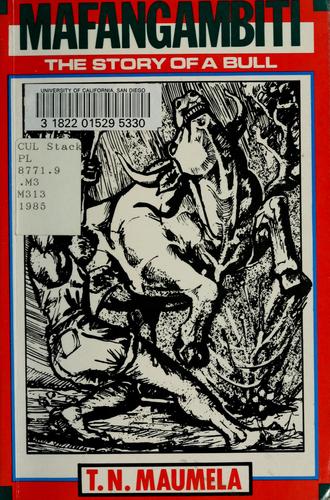
T.N Maumela was born in 1924 in the Sibasa District in Limpopo. He qualified asa a teacher in 1945 at the well known Lemana training. institution. For three years he was the principal of Vhufuli primary school in Sibasa and he obtained his B.A degree in 1962. He became the principal of Tshivhase Secondary school the same year. He was appointed as the cultural organiser for the vhavenda ethnic group under the former Venda government in 1970.Maumela is considered as one of the foremost authors in Luvenda and has written extensively. In 1966 he won the first prize in a Luvenda novel competition sponsored by the Department of Bantu Education in 1967. He was awarded the Samuel Edward Mqhayi literature for Bantu prose by die Suid Afrikaanse Akademie vir Wetenskap en kuns. He also won Luvenda short story competition launched by radio Bantu. In 1971 he won the first prize in luvenda short story competition to commemorate the tenth anniversary of the republic of South Africa launched by the department of Bantu education.
T.N.Maumela has published the following books:
Elelwani(novel)1954
Mafangambiti(novel)1956
Tshililo(drama)1957
Vhavenda vho matshivha(novel)1958
Vhuhosi vhu tou bebelwa(1958)
Zwa mulovha zwi a fhela(1963)
Zwiitavhathu(short stories)1965
Maele wa vho Mathavha(novel)1967
Musandiwa na khotsi vho Liwalaga(novel)1967
Dzingano na dzithai dza Tshivenda(folklore)1968
Thikho ya luvenda ya fomo I(language manual)
Thikho ya luvenda ya fomo 2 and 3(language manual)1970
Matakadzambilu(short stories)1972
Mihani ya shango(short stories)1972
Tshianeo(short stories, a joint contribution with E.S Madima)1972
He was honoured with the South African Literary Lifetime Achievement Award in 2005.
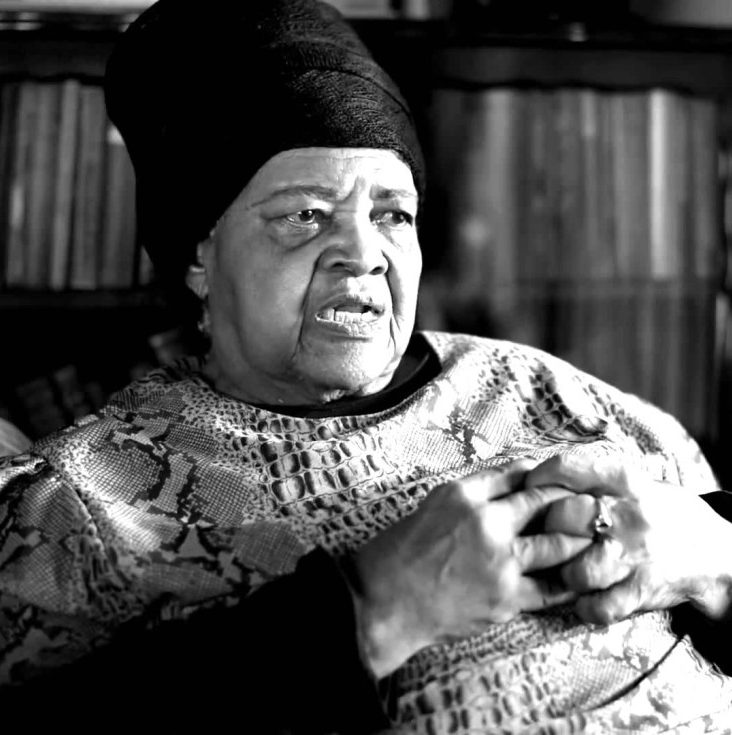
Miriam Masoli Tlali-Lehutso, a world-renowned award-winning anti-apartheid crusading author and activist who passed away at age 83 on 24 February 2017, was born on 11 November 1933 in Doornfontein in Johannesburg, in the then Transvaal (now Gauteng) and grew up in Sophiatown.
She’d wanted to study literature at the University of the Witwatersrand but was not admitted due to the reservation of positions for White students. She later went to study at Pius the XII University (now University of Lesotho).
Unfortunately, she couldn’t complete her studies due to financial difficulties.
No longer able to study, Tlali found a job as a bookkeeper at a furniture store.
In 1969, Tlali had written and completed a novel titled Muriel at Metropolitan, a semi-autobiographical work. The novel was only published six years later in 1975. It was the first novel written by a Black woman to be published in South Africa. In 1979, the novel was banned by the Apartheid government; however, it was published internationally under the title Between Two Worlds by Longman African Classics. In 1980, Tlali published her second novel, Amandla, (meaning Power) which was based on the 1976 Soweto uprising. Sadly the
novel was banned only weeks after it was published. Just like her first novel, Amandla was translated into several languages, including Japanese, Polish, German and Dutch. Both novels were unbanned in 1986.
In 1984 she wrote a collection of short stories, interviews and non-fiction titled, Mihloti, (meaning tears). In 1989, Footprints in the Quag, (initially titled Soweto Stories) was published by Pandora Press.
As an author, Tlali has travelled the world and represented South Africa in several countries. In 1978 she was invited to an international writing programme at Iowa State University in the United States of America. Between 1989 and 1990, Tlali was a visiting scholar at the Southern African Research Program at Yale University.
For her contribution to the literary profession, Tlali has received many accolades, including being honoured with the inaugural South African Literary Awards’ Lifetime Literary Award category by the wRite associates and the national Department of Arts and Culture and, in 2008, she received the Presidential Award, Ikhamanga Silver.
Tlali co-founded the publishing house, Skotaville Press. As a member of the Women’s National Coalition, Tlali assisted in drafting the Preamble to the South African Women’s Charter.
At the time of her passing on, she was the Patron of the Miriam Tlali Reading and Book Club that was established in 2009 by the wRite associates.
Tlali was in the process of finalising writing her autobiography and is survived by her two grandchildren and three great grandchildren.
May her soul rest in graceful and eternal peace.
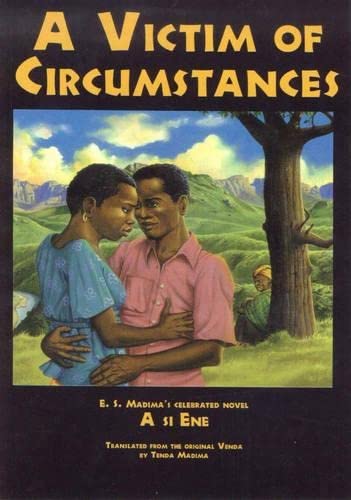
Itani Madima is one of the pioneering writers in the TsiVenda language. His debut novel and most famous work, A Siene ( A victim of circumstances) was published in 1954. Madima also made name as a short story writer and columnist.Some of his works include Maduvha Ha Fani ( Days are not Alike), Hu Na Savhadina (Beware of Savhadina) and Mmanga Mawelewele, Maambiwa Ndi One ( Rumours are true) which have won him several literary accolades. Madima also wrote a regular column in a journal called Mungane wa Vhana in which he tackled pupils’ questions and concerns. He also had a stint as a Bantu World Newspapers correspondent.
Popularly known as E.S, Madima’s story is that of a man from humble beginnings as a herdboy at Vhufuli Village, Ha- Tshivhasa in the Limpopo Province. Prior to enrolling at the Lemana Training Institute in 1942 from which he qualified as a teacher, he worked as an untrained teacher two years earlier. Madima’s drive and focus saw him do odd jobs such as serving as a helper in the Institute’s library, being a private postal bag carrier and selling Bantu World Newspapers.
In 2005 Madima was honoured with a SALA Literary Lifetime Achievement Award.
During his exile he taught at universities in Africa and the USA, gained a Ph.D. at the University of Denver, and served as a director of the Congress for Cultural Freedom in Paris. He retired in 1987 as professor of African literature at the University of Witwatersrand. Mphahlele’s reputation as a writer will probably rest on his autobiography, Down Second Avenue (1959). The prevalence of the autobiography in Africa has been attributed to a search for identity within the new…
He was honoured with the South African Literary Lifetime Achievement Award in 2005.
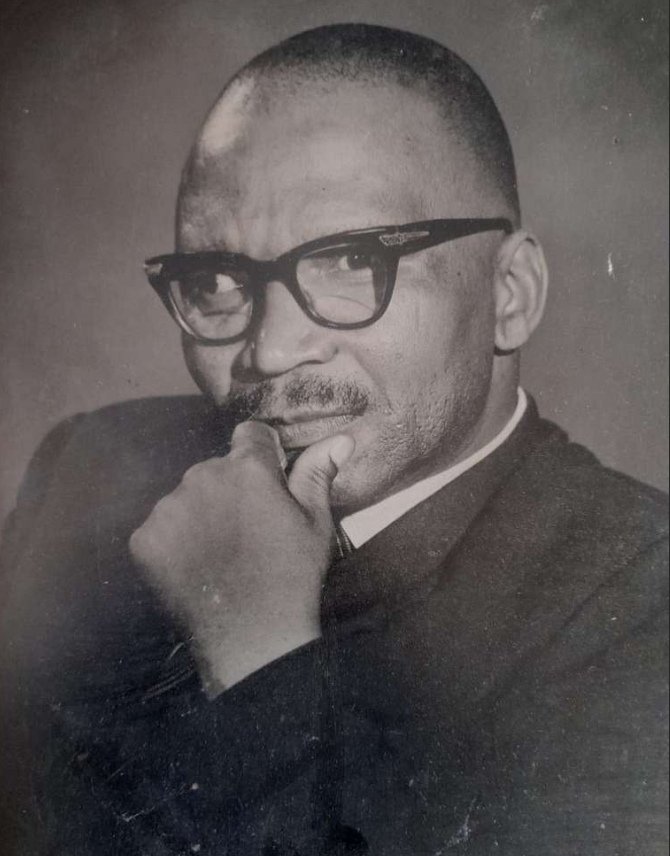
He is a novelist and poet. He went to live in Johannesburg at the age of ten, left school without finishing, and attended night classes run by the Communist Party of South African while working at a variety of jobs.Following the bus boycott (1942) and the squatters’ movement (1946), he became involved in the trade union movement. He was detained for three months and then banned in the early 1960s; as a ‘listed’ person, he could not publish under his own name.
He published some journalism and a volume of poetry (Dispossessed, 1983), but his reputation as a writer rests on his novel, The Marabi Dance, begun in the 1950s; finished in 1963, and finally published, after passing through various hands, by Heinemann in 1973.
The novel’s examination of the urban black working class is encapsulated within its many sub-narratives, many of which deal with the urban experiences of rural migrants.
During his exile he taught at universities in Africa and the USA, gained a Ph.D. at the University of Denver, and served as a director of the Congress for Cultural Freedom in Paris. He retired in 1987 as professor of African literature at the University of Witwatersrand. Mphahlele’s reputation as a writer will probably rest on his autobiography, Down Second Avenue (1959). The prevalence of the autobiography in Africa has been attributed to a search for identity within the new…
He was honoured with the South African Literary Lifetime Achievement Award in 2005.
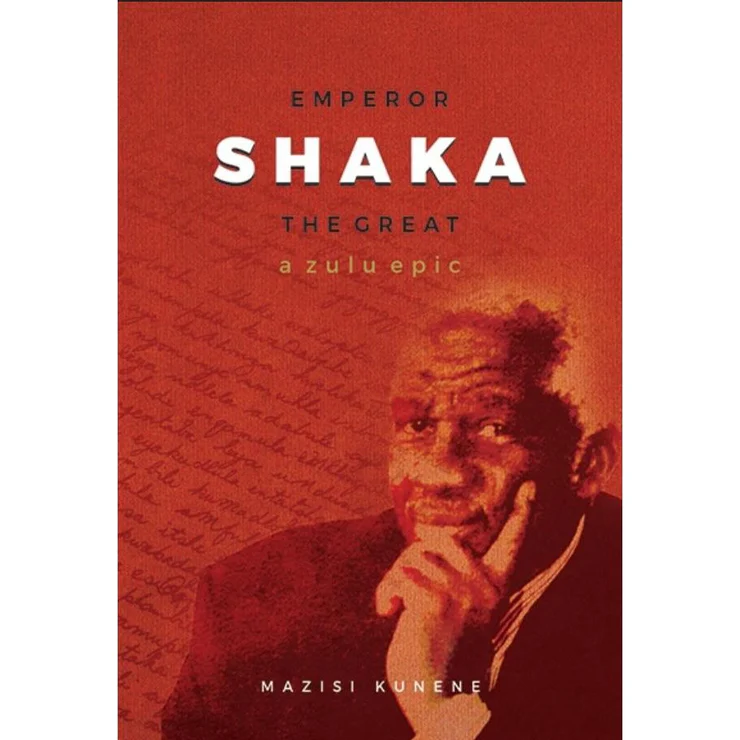
Celebrated South African poet laureate and professor, Mazisi Kunene was born in Durban and undertook a Master of Arts degree at the University of Natal. He won a Bantu Literary Competition in 1956 and three years later left for London to study at the School of Oriental and African Studies.He returned to South Africa in 1992 after having pursued his studies and lectured in England, Lesotho and the USA. Until his retirement he was based at the then University of KwaZulu-Natal. He is well known for his 1979 epic poem Emperor Shaka the Great – inspired by the rise of the Zulu empire. His works were written originally in Zulu and then translated into English.
Anthem of the Decades: a Zulu Epic published in English in 1981 tells the Zulu legend of how death came to mankind. A collection of poems called The Ancestors and the Sacred Mountain: Poems containing 100 of his poems was published in 1982.
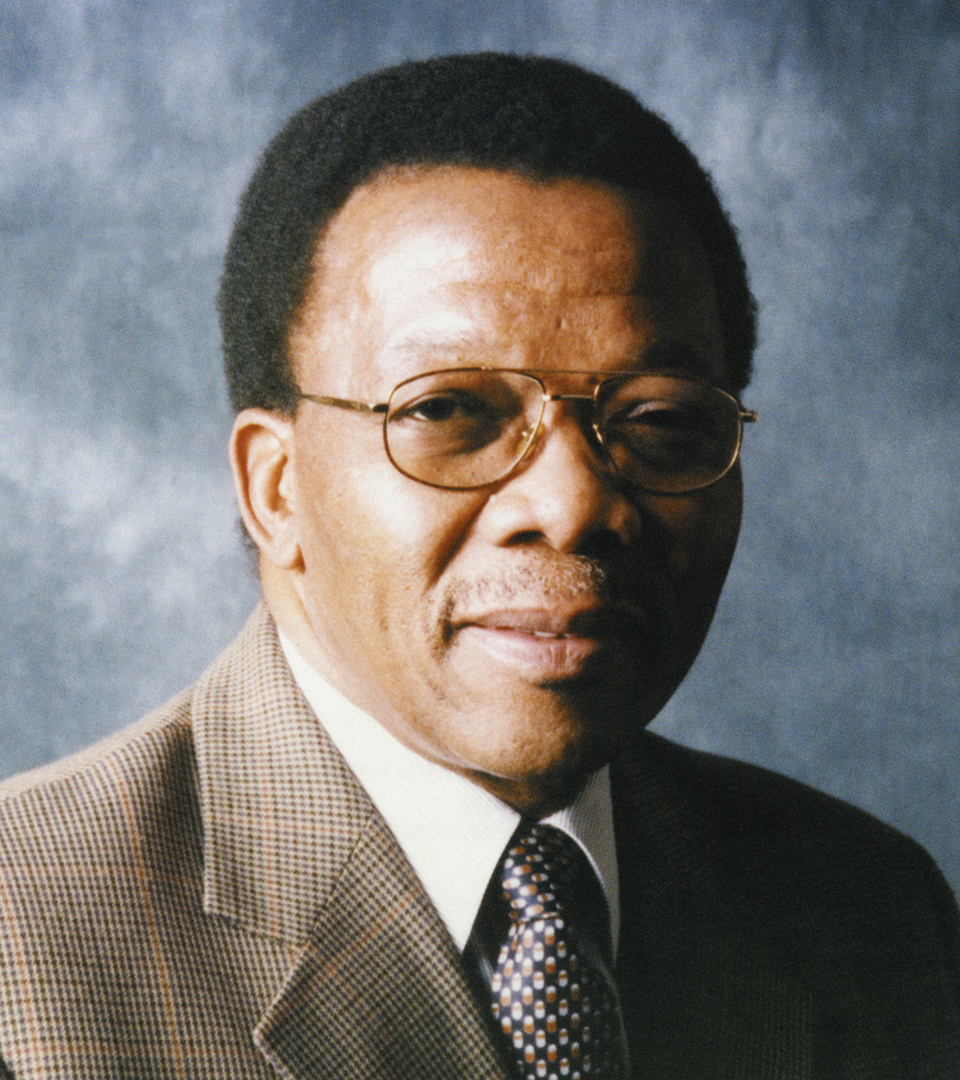
Ephraim Alfred Shadrack Lesoro was born on 18 March 1929 at Platkopje in the Free State . Lesoro is deeply rooted in his African tradition as a Mosotho and proudly identifies himself with his clan totem a Mokwena.Lesoro attended Ficksburg Community School , completed Standard 6 in 1943 and completed secondary education at Kroonstad High School where he obtained a junior certificate in 1946. Lesoro has a BA degree from UNISA, a BA Honours degree in African languages from Rhodes University and an MA degree from the University of the Free State . A formidable teacher and principal, he was an announcer at the South African Broadcasting Corporation until 1973 when Rhodes University appointed him as a lecturer. Lesoro is married and has three daughters.
In 1962 Lesoro received the S.E.K Mqhayi Award for his poetry book Mmitsa, Lesoro is a widely respected voice in Sesotho poetry. His books include Reneketso tsa Bana (1959), Dithothokiso Sejwalejwale (1961), Makodilo a Bana (1962), Mmitsa (1962), Leshala le tswala Molora (1963) and Mathemalodi (1966).
In 2006 he was honoured with the Lifetime Achievement Literary Award by the South African Literary Awards, a project of the wRite associates in partnership with the national Department of Arts and Culture and Sowetan.
Toek Blignaut distinguished herself as a journalist and writer. On her death the former Minister of Arts and Culture, Pallo Z. Jordan eulogized her for making a “sterling contribution to the development and preservation of our cultural heritage.”An internationally acclaimed, prizewinning author of 82 books, spanning a literary career half a century from 1957 to 2007, Blignaut’s works include children’s books, youth novels and prescribed, first year university works. She was vice-editor of Rooi Rose women’s magazine for 22 years and wrote Talana – the only national Afrikaans, teenage agony column – for 21 years. She joined the magazine after winning two competitions run by the then Afrikaanse Pers. Previously she had been writing stories for magazines on a freelance basis.
Blignaut was also an outstanding journalist, being the first white woman allowed to interview the original Modjadji, Queen Mother of the Balobedu, who is also regarded as the Rain Queen and the first to interview the world renowned Dr. Chris Barnard after his first heart transplant operation.
She wrote more than 200 short stories, dozens of magazine and radio serials, ran three book clubs for JP van der Walt Publishers and contributed articles to various magazines and newspapers. Blignaut’s most popular work is her first book, Donker op Nebo, written in Afrikaans and first published in 1970. Her other literary masterpieces include, Uit Hierdie Donker Nag and Pad na Monomotapa. She published her last book Silwerkruik, in 2006. At the time of her death she was writing her memoirs.
Blignaut’s soul mate was artist and sculptor Jaap Blignaut. She succumbed to a heart attack at age 83 in 2007. This was a month after being honoured with a South African Literary Award (SALA) Literary Lifetime Achievement Award .
Said Jordan: “ Blignaut was honoured for her selfless dedication to the development of South African literature and languages in an event organized by the wRite Associates in collaboration with the Department of Arts and Culture.”
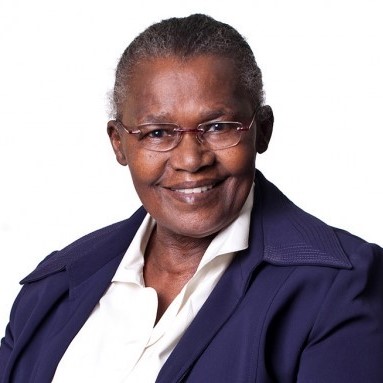
Deuteronomy Bhekinkosi ‘DBZ’ Ntuli was born at Gcotsheni, Eshowe, on 8 May 1940. He matriculated at St Francis College, Marrianhill, and completed his junior degree at the University College of Zululand. After working for three years as an announcer/ producer for the Zulu service of the SABC, Ntuli joined the University of South Africa as a lecturer in the Department of African Languages. In 1978 Unisa awarded him a D Litt degree. He was head of the Sub-department of Zulu before his retirement in 1999.Ntuli was 21 years old when his first book, a novel, UBheka, was published. To date he has published 16 volumes of short stories and essays – including 10 books of drama and eight anthologies of poetry he authored or co-authored or edited. He published his second novel Ngiyoze ngimthole in 1969 and has translated into Zulu numerous manuals and books, including Nelson Mandela’s Long Walk to Freedom (Uhambo olude oluya enkululekweni) and Kahlil Gibran’s The Prophet (UMpholofethi). His novels include UBheka (1962), Ngiyoze Ngimthole (1970) and his short story collections have appeared in Imicibisholo (1970), Uthingo Lwenkosazana (1971) and Isicamelo (1990) among others. Ntuli is the biographer of the late famous traditional healer Sosobala Mbatha.
In 2006 he was honoured with the Lifetime Achievement Literary Award by the South African Literary Awards, a project of the wRite associates in partnership with the national Department of Arts and Culture and Sowetan.
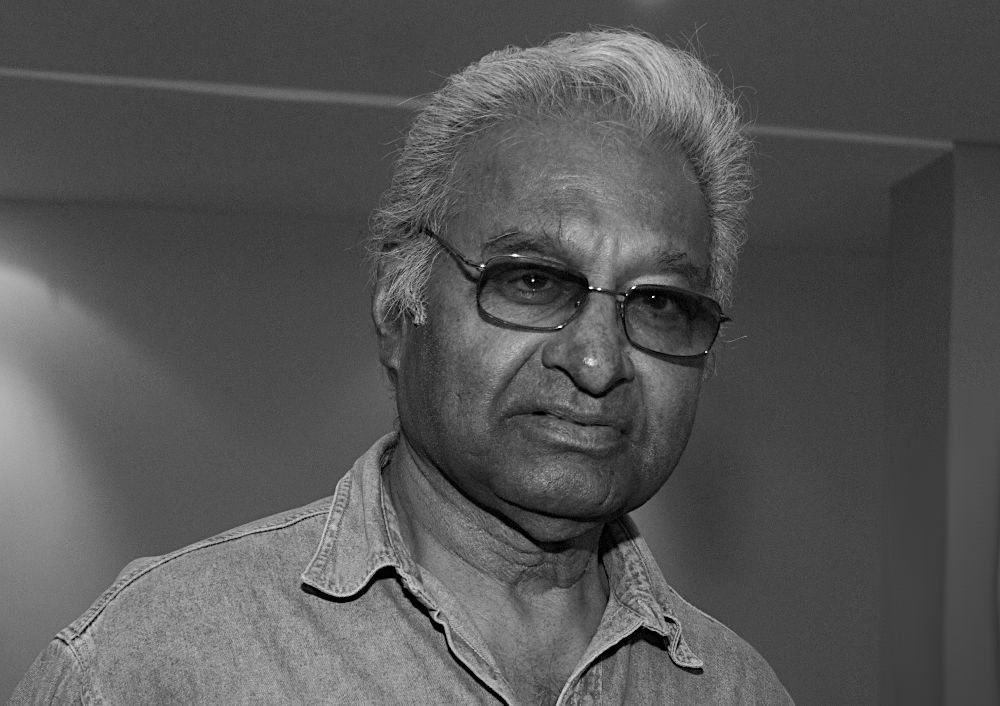
Novelist and essayist Lauretta Ngcobo was born in 1931, raised and in the Ixopo district of southern Natal , and educated at Fort Hare (BA 1953). Lauretta Ngcobo’s late husband, AB Ngcobo, a founder executive member of the Pan Africanist Congress, was detained in the aftermath of the Sharpeville massacre in 1960. In 1963 she left South Africa , escaping imminent arrest, and went into exile with her husband and children, first in Swaziland , then Zambia and finally settling in England where she worked as a teacher for 25 years.The rural community of Ixopo, where she was born and brought up, is described in her most recent novel, And They Didn’t Die. She praises the unsung heroines, the rural women, whose struggles and complexities in harsh environments were further compounded by having to deal with the hardships of apartheid.
Lauretta Ngcobo is the author of Cross-of Gold (1981), Let It Be Told: black women writers in Britain (1987), And They Didn’t Die (1990) and Fikile learns to like other people (1994).
In 2006 she was honoured with the Lifetime Achievement Literary Award by the South African Literary Awards, a project of the wRite associates in partnership with the national Department of Arts and Culture and Sowetan
Ronnie Govender was born in Cato Manor, Durban in 1934 and was educated in Durban where he worked for the better part of his life.Govender has close to 15 plays to his credit. For his collection of short stories, At the Edge and Other Cato Manor Stories, he received the Commonwealth Writers’ Prize for the Africa region. During his eleven-year teaching career, Govender wrote and directed his first play, Beyond Calvary, which received critical acclaim. As a protest against bourgeois theatre he formed the Shah Theatre Academy to foster indigenous theatre and pioneer the cultural boycott. In keeping with the cultural boycott The Lahnee’s Pleasure, one of South Africa’s longest running plays, refused invitations to play at establishment venues in London. His most well known play, At the Edge, was invited to countries all over the world, and won Vita nominations for Best South African Playwright and Best Actor. In 1991 Govender was appointed Marketing Manager of the Baxter Theatre in Cape Town, and two years later appointed director of Durban’s Playhouse Theatre.
In 2005 Ronnie Govender was a finalist in the inaugural European Union Literary Prize for his then-unpublished novel Song of the Altman. In 2006 Jacana subsequently published the novel. Ronnie is a recipient of the 2006 South African Literary Awards in the category “Life-time Achievement Literary Award”
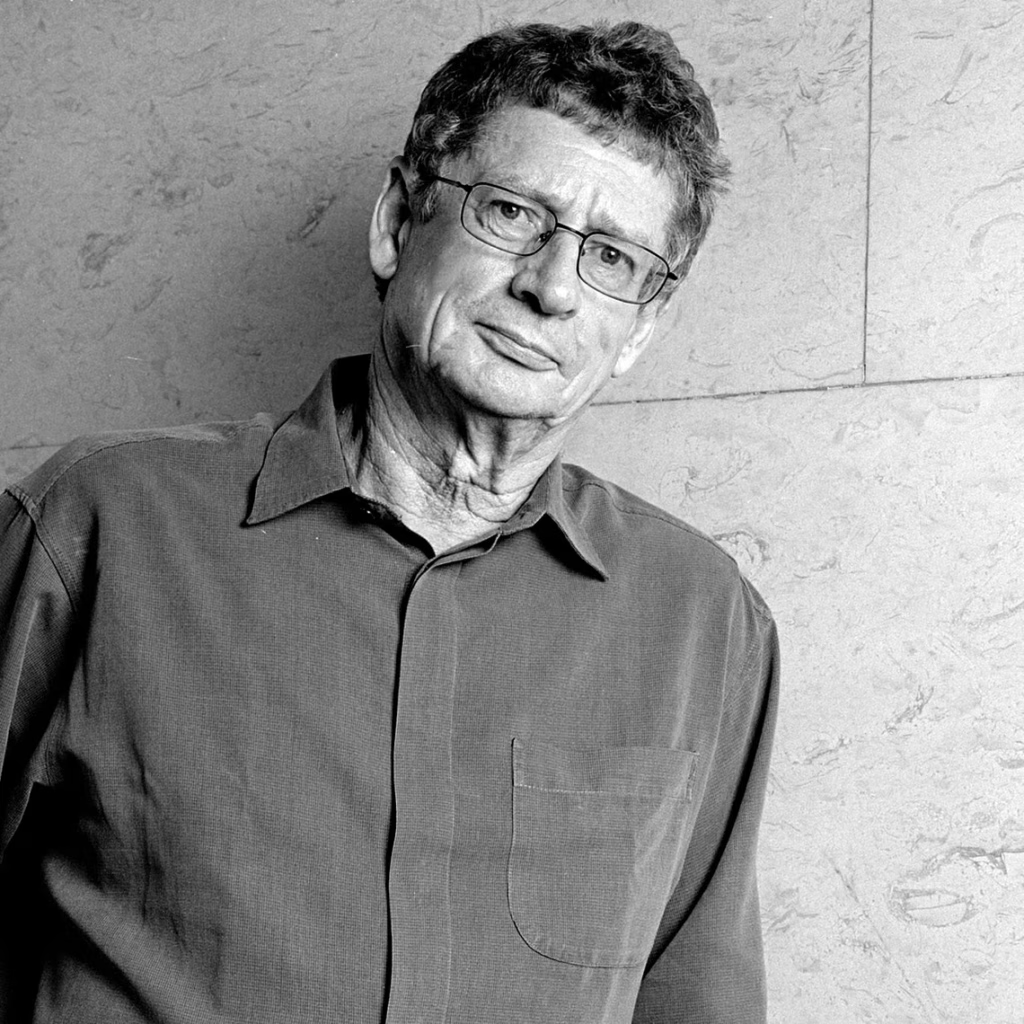
André Philippus Brink is one of the most prominent figures in South African literature and a writer of immense talents.Born in Vrede in the Free State on 29 May 1935, Brink studied at Potchefstroom University and the Sorbonne in Paris.
He has taught Afrikaans and Dutch literature at Rhodes University in Grahamstown (1961 -1990) and English literature at the University of Cape Town among others. Brink is an Emeritus Professor of English at the University of Cape Town.
He was one of a new generation of Afrikaans writers known as Die Sestigers (“The Sixty-ers”) whose declared aim was “to broaden the rather too parochial limits of Afrikaner fiction”.
His impressive body of work includes the novels Lobola vir die lewe (1962) and Kennis van die Aand (1973). The latter was the first Afrikaans novel to be banned under the harsh censorship laws of the apartheid state. Brink has published close to 20 English novels, among them A Dry White Season (1979) and Praying Mantis (2005).
His numerous awards include the CNA Award for Literature (in both English and Afrikaans), the Sunday Times Award for Fiction, the Prix Médicis Etranger, the Martin Luther King Memorial Prize and the Commonwealth Prize for Literature (Africa region).
Initially, Andre Brink’s oeuvre was mainly concerned with apartheid but his more recent work is generally regarded as postcolonial.
He was honoured with the Lifetime Achievement Literary Award by the South African Literary Awards, a project of the wRite associates in partnership with the national Department of Arts and Culture and Sowetan.
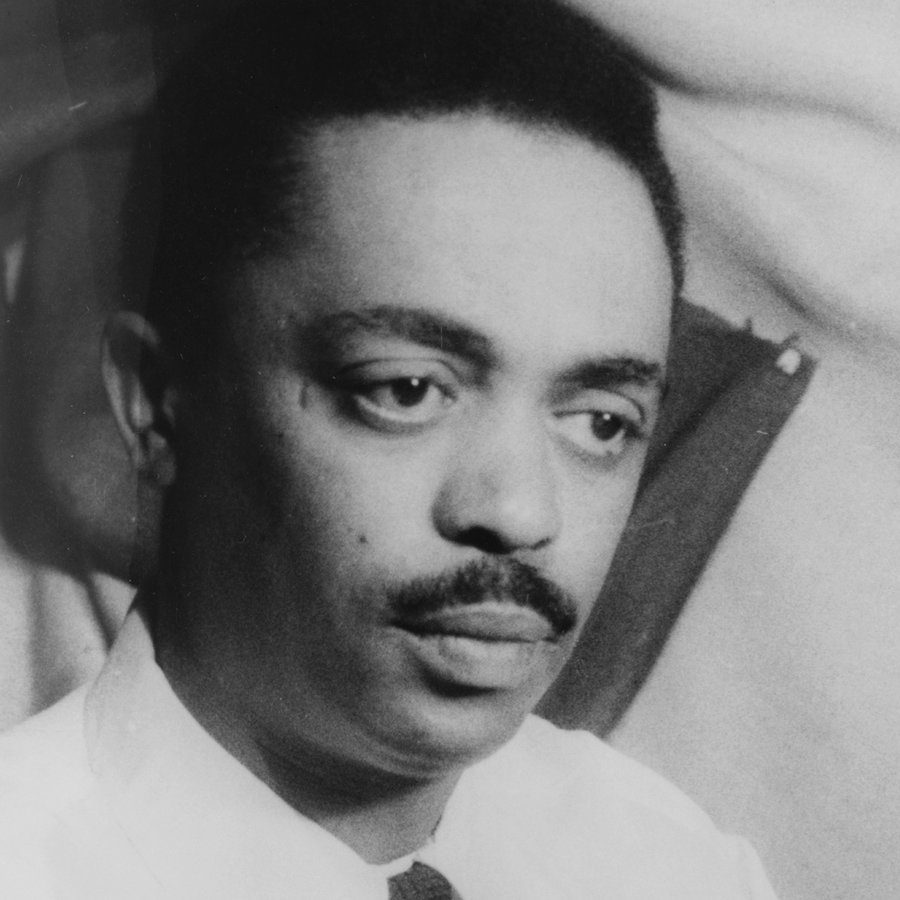
Peter Henry Abrahams was born on March 19, 1919 in Vredersdorp , South Africa . He attended St Peter’s High School, Rossetenville, where he was classmates with Es’kia Mphahlele and later Grace Dieu College , near Pietersburg (now Polokwane). Although Abrahams has lived as an adopted citizen of Britain then Jamaica for over 60 years, he still regards South Africa as home. “I am emotionally involved in South Africa ,” he has said. Abrahams went to work before he went to school, sold firewood, worked for a tinsmith, cleaned rooms in a hotel, carried packages and other jobs. At college he edited the college magazine and began writing and publishing verse in the Bantu World. After graduating from college in 1938, Abrahams taught for a year in Cape Town and then worked briefly in Durban as a magazine editor.Abrahams has written five novels including Song of the City (1945), The Path of Thunder (1948), Wreath for Udomo (1956) and his seminal autobiography Tell Freedom – Memories of Africa. Abrahams was the first black African writer whose works, published in England and the United States . Major figures in modern African fiction in English including Cyprian Ekwensi of Nigeria, Lewis Nkosi of South Africa and Ngugi wa Thiong’o of Kenya cite Abrahams as their major influence.
In 2006 he was honoured with the Lifetime Achievement Literary Award by the South African Literary Awards, a project of the wRite associates in partnership with the national Department of Arts and Culture and Sowetan.
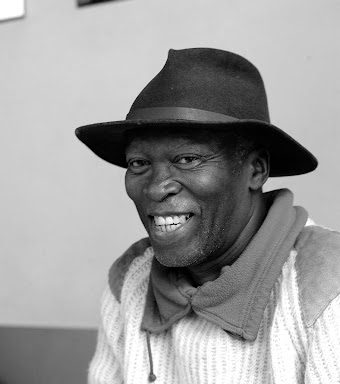
Lewis Nkosi was born in 1936 in Durban and was educated in local schools and later at the University of London and the University of Sussex . After taking an M.A. degree at Sussex Lewis Nkosi did a research on Joseph Conrad, he returned to Africa to teach at the University of Zambia for eight years.A former journalist at Drum magazine in its heyday of the 1950s Nkosi was forced to live in exile by the previous apartheid regime after winning a Nieman Fellowship at Harvard University . He has contributed to some of the leading literary journals, including The Times Literary Supplement. He has taught literature in a number of universities in including the University of Warsaw (Poland), the University of London, Brandeis University (Boston), the University of California and the University of Wyoming (U.S.A.).
A renowned literary critic, novelist and dramatist Nkosi has written several novels, the prize-winning Mating Birds (translated in French as Le sable des blancs), Underground People and Mandela’s Ego. He is the author of three seminal books of critical analysis on African literature, Tasks And Masks, Home And Exile and The Transplanted Heart. His play The Black Psychiatrist (translated into French by Astrid Starck-Adler) toured Martinique in October 2006. In 2005 Rodopi published a collection of essays Critical Perspectives On Lewis Nkosi edited by Lindy Stiebel and Liz Gunner. Wits University Press published the local edition of the book in June 2006.
Lewis Nkosi was honoured with the South African Lifetime Achievement Literary Award in 2006.
She’d wanted to study literature at the University of the Witwatersrand but was not admitted due to the reservation of positions for White students. She later went to study at Pius the XII University (now University of Lesotho).
Unfortunately, she couldn’t complete her studies due to financial difficulties.
No longer able to study, Tlali found a job as a bookkeeper at a furniture store.
In 1969, Tlali had written and completed a novel titled Muriel at Metropolitan, a semi-autobiographical work. The novel was only published six years later in 1975. It was the first novel written by a Black woman to be published in South Africa. In 1979, the novel was banned by the Apartheid government; however, it was published internationally under the title Between Two Worlds by Longman African Classics. In 1980, Tlali published her second novel, Amandla, (meaning Power) which was based on the 1976 Soweto uprising. Sadly the
novel was banned only weeks after it was published. Just like her first novel, Amandla was translated into several languages, including Japanese, Polish, German and Dutch. Both novels were unbanned in 1986.
In 1984 she wrote a collection of short stories, interviews and non-fiction titled, Mihloti, (meaning tears). In 1989, Footprints in the Quag, (initially titled Soweto Stories) was published by Pandora Press.
As an author, Tlali has travelled the world and represented South Africa in several countries. In 1978 she was invited to an international writing programme at Iowa State University in the United States of America. Between 1989 and 1990, Tlali was a visiting scholar at the Southern African Research Program at Yale University.
For her contribution to the literary profession, Tlali has received many accolades, including being honoured with the inaugural South African Literary Awards’ Lifetime Literary Award category by the wRite associates and the national Department of Arts and Culture and, in 2008, she received the Presidential Award, Ikhamanga Silver.
Tlali co-founded the publishing house, Skotaville Press. As a member of the Women’s National Coalition, Tlali assisted in drafting the Preamble to the South African Women’s Charter.
At the time of her passing on, she was the Patron of the Miriam Tlali Reading and Book Club that was established in 2009 by the wRite associates.
Tlali was in the process of finalising writing her autobiography and is survived by her two grandchildren and three great grandchildren.
May her soul rest in graceful and eternal peace.
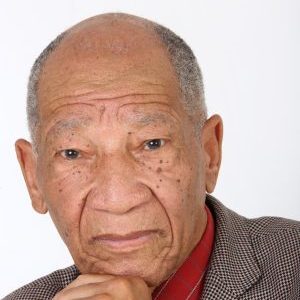
The work of Don Monnapula Lebakeng Mattera which was banned in South Africa in the past is representative of the political and cultural period between Sharpeville and Soweto. Before index on censorship (London) and later kunapipi (Aarhus, Denmark) brought out Mattera’s work, few people outside South Africa knew about him. He was born in Western Native Township (now Westbury) in 1935 and grew up in SophiatownMattera’s grandmother sent him to study at the St Theresa Catholic Covenant School in Durban because they were not pleased with the quality of education provided for Coloureds by the government at the time. Once a gangster leader in Sophiatown, Mattera is today a committed Muslim and community leader. A renowned journalist in South Africa, he has published collections of short stories, children’s stories Gone with the twilight: A story of Sophiatown, Zed Books (London) 1987, the five magic Pebbles (children’s literature), Skotaville 1992 and plays.His renowned poetry anthology Azanian Love Song remains a South African classic. His poems reveal his sensitivity and display his sense of structure and his eloquence. There is little public posturing in them. Mattera is the winner of the Steve Biko prize for his seminal autobiography, Memory is the weapon. In 1997 he won the World Health Organisation’s Peace Award from the Centre of Violence and Injury Prevention.
Popularly known as E.S, Madima’s story is that of a man from humble beginnings as a herdboy at Vhufuli Village, Ha- Tshivhasa in the Limpopo Province. Prior to enrolling at the Lemana Training Institute in 1942 from which he qualified as a teacher, he worked as an untrained teacher two years earlier. Madima’s drive and focus saw him do odd jobs such as serving as a helper in the Institute’s library, being a private postal bag carrier and selling Bantu World Newspapers.
In 2005 Madima was honoured with a SALA Literary Lifetime Achievement Award.
During his exile he taught at universities in Africa and the USA, gained a Ph.D. at the University of Denver, and served as a director of the Congress for Cultural Freedom in Paris. He retired in 1987 as professor of African literature at the University of Witwatersrand. Mphahlele’s reputation as a writer will probably rest on his autobiography, Down Second Avenue (1959). The prevalence of the autobiography in Africa has been attributed to a search for identity within the new…
He was honoured with the South African Literary Lifetime Achievement Award in 2005.
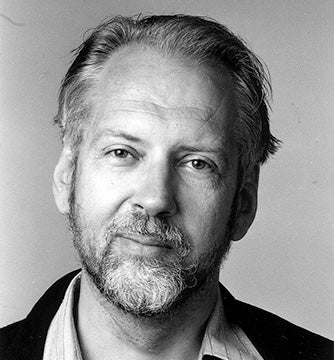
Karel Schoeman is a distinguished Afrikaans and English novelist, histoiran and scholar. Schoeman was born on 26 October 1939 in Trompsburg in the Free State . She is the author of eighteen novels and numerous history books. In his books he evokes the Free State and celebrates this province’s natural splendour and her culturally diverse peoples.In 1999 Schoeman was one of only two living South African writers to be honoured with a Presidential Award by President Nelson Mandela upon his retirement as the country’s president. His work has been translated into many languages including French, Dutch, Russian and German. He is also a renowned translator from English to Afrikaans of some of the world’s literary classics.
Schoeman’s major works include novels, Veldslag (1965), By Fakkellig (1966), n Lug vol Helder Wolke (1967), Spiraal (1968), Op ‘n Eiland (1971), Na die Geliefde Land (1972), Afrika: ‘n Roman (1977) and Hierdie Lewe (1993). His seminal biographical works include Only an Anguish to Live Here: Olive Schreiner and the Anglo-Boer War, 1899-1902 (1992) and Irma Stern: The Early Years, 1894-1933 (1994).
In 2006 he was honoured with the Lifetime Achievement Literary Award by the South African Literary Awards, a project of the wRite associates in partnership with the national Department of Arts and Culture and Sowetan.
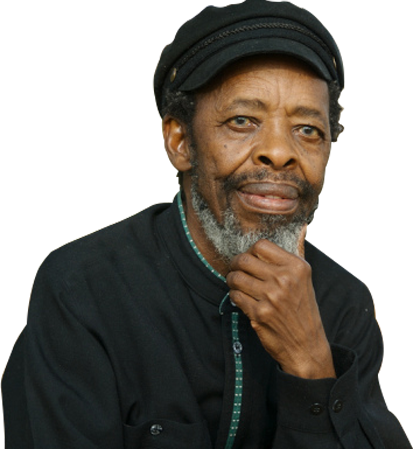
Poet, educator and activist Keorapetse Willie Kgositsile left home in 1961 as one of the first young African National Congress (ANC) cadres instructed to do so by the leadership of the liberation movement. At the time of his departure he was on the Johannesburg staff of New Age under the editorship of Ruth First. In 1974 he was a founder member of the African Literature Association together with Es’kia Mphahlele, Dennis Brutus, Daniel Kunene and Mazisi Kunene, among others. In 1977, Kgositsile was also a founding member of the ANC Department of Education and, in 1982, its Department of Arts and Culture. He also worked in the underground structures of the ANC under the command of its Political Military Council (PMC). He did his Master of Fine Arts (MFA) degree in the creative writing programme at Columbia University in New York . The recipient of many poetry awards, he taught Literature and Creative Writing at a number of universities in the United States and in Africa, including the University of Dar es Salaam, the University of Nairobi, the University of Botswana, the University of Zambia, the University of California at Los Angeles (UCLA). He has also been visiting professor at several universities, including Wayne State University in Detroit and the University of Fort Hare.Kgositsile’s work includes This Way I Salute You (2004), If I Could Sing (2002), To the Bitter End (1995), Approaches to Poetry Writing (1994), The Present is a Dangerous Place to Live (1975, 2nd ed. 1993), When the Clouds Clear (1990), Freeword – with Katiyo, Davis, & Rydstom – (1983), Heartprints (1980), Places and Bloodstains (1976), A Capsule Course in Black Poetry Writing – with Brooks, Madhubuti & Randall – (1975), The Word is Here, ed. (1973), My Name is Africa (1971), For Melba (1971), Spirits Unchained (1969).
Kgositsile’s poetry ranges from the political and public to the lyrical and confessional. He believes in the symbiotic relationship between poetry and politics, whereby “the poet articulates the dream of a people to be free and the liberation movement fights to make those dreams a reality”. Another strong part of his work is the recognition and celebration of his influences, and friendships with other artists and his deep love of blues and jazz. His poetry scintillates and vibrates with quotations from songs, references to music and to musicians including Billie Holiday, Ntemi Piliso, Nina Simone, B.B. King, Otis Redding, John Coltrane, Art Blakey, Gloria Bosman, Johnny Dyani, Hugh Masekela, Pharaoh Sanders and more. His verse also celebrates his country’s renowned writers such as Dennis Brutus, Es’kia Mphahlele, Can Themba and Mongane Serote.
Kgositsile’s wistful collection If I Could Sing celebrates music as the purest of art forms. The title carries a sense of a yearning to be a musician. This, of course, tinged with irony, since one of the most notable characteristics of his verse is its own subtle musicality. This Way I Salute You, a selection of previously published work and some new material, provides a simple sample and a useful introduction to his work. Echoes of the ancient tradition of izibongo/maboko resonate through this volume in a series of poems dedicated to jazz musicians, activists and fellow writers. Cultural icons as diverse as Aime Cesaire, Mongane Serote and Gloria Bosman, in addition to the others mentioned, are honoured. Most are his personal friends; all have been a source of inspiration to him. And by invoking these names, Kgositsile acknowledges the power of memory, and the legacies that survive. In “For Otis Redding” he writes: “Your voice still walks among us / wherever you are, hear us now.”
In “When Things Fall Apart”, in reference to Achebe’s most famous novel and in his tribute to the novelist he writes:
In the silences of the night
often past the midnight hour
when my voice dries up behind my tongue
behind corpses that rattle in my mind
I wonder where the wind is.
Kgositsile is most celebrated for taking the resources of poetry from the African universe to the African Diaspora in North America and returning the resources of African American poetry to the continent. He is a bridge figure in another important respect. Lebogang Mashile, one of the youngest authors ever to win the Noma Award for publishing in Africa , has expressed her indebtedness to Kgositsile, who is often seen sharing the stage with the new spoken-word poets to whom he has been passing on the baton. His influence and inspiration is also acknowledged by more established authors such as Mongane Serote, Mandla Langa and Mbulelo Mzamane. Kgositsile served as the special adviser to the former Minister of Arts and Culture, Dr Z. Pallo Jordan and continues to serve in the same post for the current Minister of Arts and Culture, Ms Lulu Xingwana.
Kgositsile was honoured with the South African Poet Laureate Prize in 2006 by the South African Literary Awards, a project of the wRite associates, in partnership with the national Department of Arts and Culture, Sowetan and Nutrend Publishers.
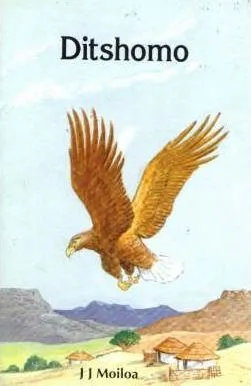
James Jantjies Moiloa was born on 16 June 1916 in the Wepener District in the Free State. In 1924 Moiloa started primary education at jammerdrift where he later passed Standard Four. Whilst working as a kitchen boy he continued his studies and in 1938 obtained a Junior Certificate at Bloemfontein High School. After completing a teacher’s training course at the Tabanchu Moroka Missionary Institute in 1940, Moiloa taught at Brandfort from 1941 to 1951. He completed a BA Degree at UNISA in 1958 and was in 1966 appointed principal of Lereko secondary School in Bloemfontein. When he was invited to teach Sesotho language at the University of the Orange Free State in 1970, he was the first African to be appointed to this position at the Institution.Moiloa is a pioneering figure in Sesotho literature and his long list of books include Sediba sa Meqoqo (1962), Dipale le Metlae (1963), Mohahlaula Dithota (1965), Molomo wa Badimo (1977) and Monna Mosotho (1984).
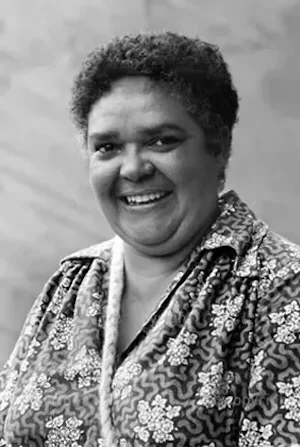
Bessie Amelia Head was born July 6 1937 in a mental hospital in Pietermaritzburg. Her mother, Bessie Emery, a patient in the Fort Napier Mental Hospital , came from a wealthy white family and had been in a relationship with a black stable-hand who worked for her family. Bessie Head was placed in foster care and was educated at St Monica’s, an Anglican boarding school for “Coloureds” in Durban . She obtained a teaching certificate in 1955 and taught in Durban from 1956 to 1958. When she turned 21, she left for District Six in Cape Town and became the only female journalist for Golden City Post. In 1959 she left for Johannesburg to join Drum magazine. In 1960, she joined the Pan Africanist Congress and when she got arrested tried to commit suicide. Thereafter she suffered periodic attacks of schizophrenia throughout her life. After spending time in hospital, she went back to Cape Town , where she published her own newspaper, The Citizen. She also wrote for The New African and in 1962 and finished her first novel, The Cardinals (published posthumously)Bessie Head married Harold Head but divorced in 1964. She took her son, Howard and left for Serowe in Botswana on a one-way exit permit, which meant she could never return to South Africa . In Botswana she became a teacher and taught at Tshekedi Memorial School in Serowe. Her first published novel, When Rain Clouds Gather (1968), is the story of a political refugee from South Africa who escapes to Botswana after serving time in prison. He moves to a rural town named Golema Mmidi (“to grow mielies”) and finds it populated with people who, like himself, are seeking a better life.
They set up an agricultural project and a cattle cooperative against opposition from the local chief welded to the status quo. When his obstructionist tactics fail, he commits suicide. This event liberates the main characters and the village. Her next novel, Maru (1971) deals with the experiences of racism among the Basarwa or San people in Botswana . Head’s best known novel, A Question of Power (1973), revolves around an expatriate in Botswana , but is considerably more autobiographical. Her other publications include The Collector of Treasures, he short story collection; Serowe: Village of the Rain Wind (1981); and A Bewitched Crossroad (1984). In her works Bessie Head writes about Botswana as a way of talking about South Africa , an environment she admits defeated her as a creative writer. Her work is highly individualised, rather than explicitly political. Bessie Head died on 17 April 1986 in Sekgoma Memorial Hospital , Serowe , Botswana .
In 2006 she was honoured with the Literary Posthumous Award by the South African Literary Awards, a project of the wRite associates in partnership with the national Department of Arts and Culture and Sowetan.
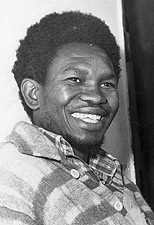
Poet and social activist, Ingoapele Madingoane, is considered the doyen of modern, politically conscious oral poetry. The late Madingoane was a formidable member of the 1976 Black Consciousness Sowetan poets.He wrote the famous, evocative, mini-epic poem, Africa my Beginning, which was published by Ravan Press in Johannesburg in 1979 and banned by the apartheid authorities two months later. Madingoane performed the poem widely in Soweto, accompanied by Mihloti Black Theatre’s flutes and drums. It became a regular feature during the protest rallies and funerals of anti-apartheid activists.
He has had an indelible impact and influence on the post-apartheid generations of poets, including world-renowned poets Lesego Rampolokeng, Siphiwe ka Ngwenya and Kgafela oa Magogodi.
Madingoane was honored with a SALA Literary Posthumous Award in 2007, nine years after his death, owing to a long illness.